

Setup & FAQ's
Welcome to our FAQ section. We have listed below the most common questions we receive about our Neat Acoustic products. If you have a query about the technical aspect of our products, you can visit the downloads and technical section by using the button below
FAQs
Running in
All loudspeakers need time to settle. You will hear a change after around 30 hours of normal listening, though some models take up to 200 hours to reach full performance. Avoid making final placement decisions until the speakers are fully run in.
Positioning
Take your time with placement. Move the speakers a few centimetres at a time until you achieve the right balance in the room. Placing the speakers closer to the rear wall will increase bass output. Pulling them forward usually improves openness and clarity. Avoid corners as they tend to exaggerate bass and produce a heavy or boomy character
Rear ports
A rear-firing port does not prevent a speaker from working close to a wall. Low frequencies radiate in all directions rather than as a narrow beam, so a rear port does not materially alter the basic placement rules.
Stands for standmount speakers
Non-floorstanding designs need proper supports. A stable, well-made stand of around 60cm will usually align the tweeter with ear level. The quality of the stand has a major influence on performance, so choose the best you reasonably can. Your dealer can advise.
Floorstanding models
Ensure the speakers are level and properly supported. Use the supplied spikes on carpet or adjustable feet on hard floors. After-market isolation products from IsoAcoustics, SoundCare or Stack Audio can provide worthwhile improvements.
Cables and connections
The loudspeaker will only perform to the standard of the signal reaching it. Use good-quality cables, correctly terminated with soldered or crimped 4mm plugs to ensure a reliable connection. Some amplifiers require particular cable characteristics. Your dealer will advise.
Amplifier matching
Your choice of amplifier is crucial to the sound you will hear from your speakers. Our "recommended amplifier power" specification is a guide only. It is important that your amplifier has sufficient power to drive your loudspeakers: you are more likely to damage your drive units with an underpowered amplifier than one with high wattage and current. We strongly recommend you audition any potential new amplifier before purchase, but if you would like a shortlist, we suggest suitable models from brands from these manufacturers: Atoll, Cyrus, Esoteric, Exposure, Luxman, Lyngdorf, Musical Fidelity, Naim, Quad, Rega, Teac and Trilogy.
Getting the best from your setup
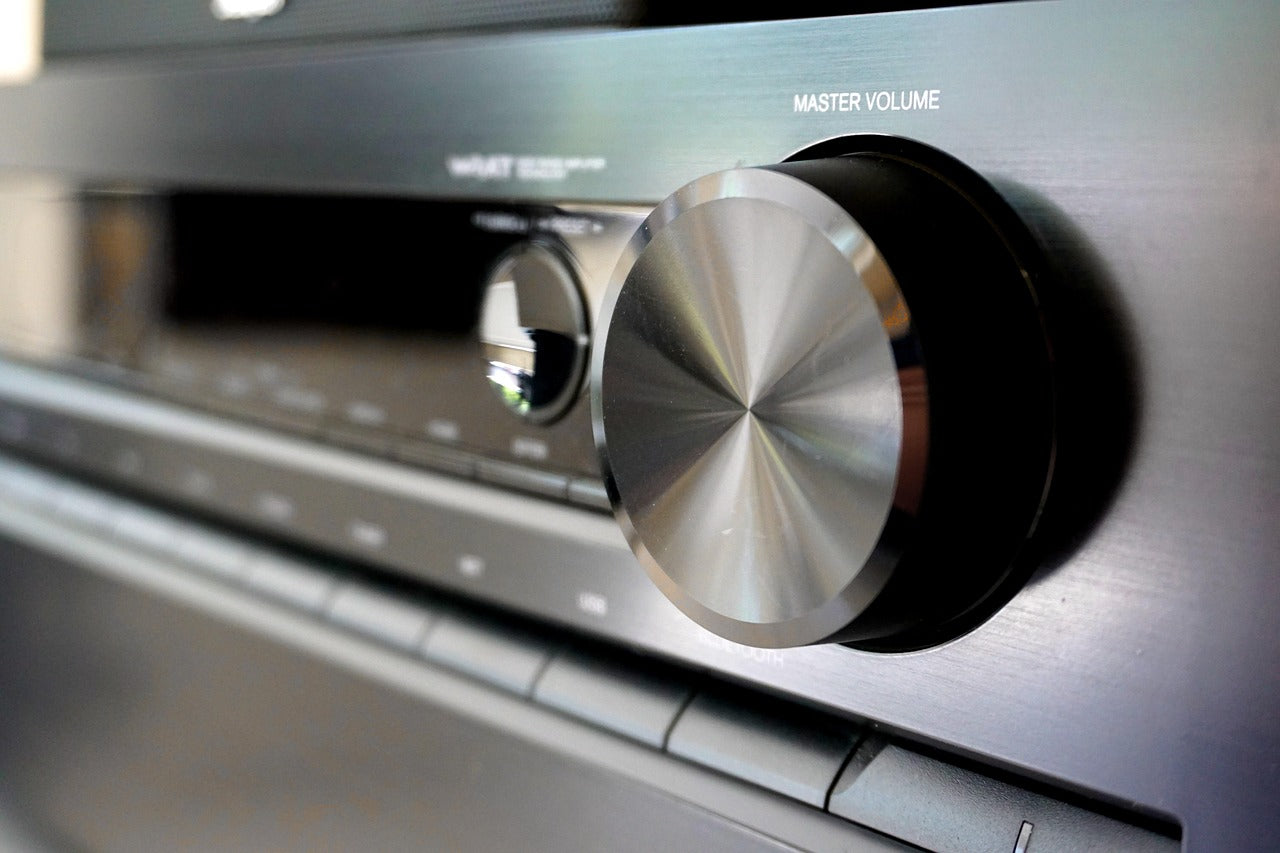
Amplifiers
Begin with your amplifier. Matching your speakers with an amplifier that has suitable power and control ensures they perform with confidence, revealing their full dynamic range. Even modest upgrades in amplification can unlock noticeably richer texture and improved grip over the bass.
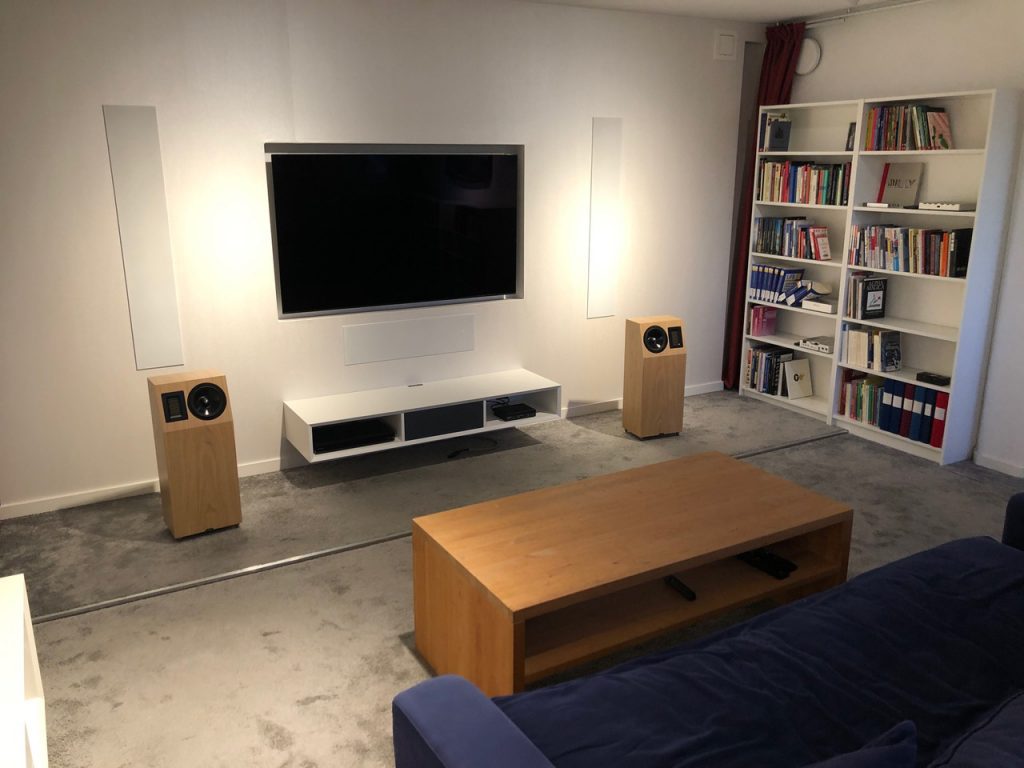
Positioning
Positioning plays an equally important role. Giving your speakers room to breathe helps reduce low-frequency build-up, while small changes in angle can sharpen imaging and expand the soundstage. Try adjusting them in small increments; even a few centimetres can shift the overall balance in exciting ways.

Cable Positioning Considerations
Neat cable management isn’t just aesthetic — it can contribute to cleaner performance. Keeping power cables separate from signal cables helps minimise noise. Using a dedicated power outlet or quality distribution block can also provide more consistent current, allowing your system to operate at its best.